01Meta Ads

Meta Ads Agency

Apex Core is a Meta ads agency for businesses that need paid social ads to pay for themselves. We plan, build and run your campaigns across Facebook and Instagram, set up tracking you can trust, and test new creative every week so results keep improving instead of stalling. If you've been looking for a Facebook ads agency that reports on revenue rather than reach, this is how we work.

See what we manage

FacebookInstagramAdvantage+ Catalog adsLead adsRetargeting
Illustrative figures, not a client result.
02What it is

What Is Meta Ads Management?

Meta ads management is the planning, setup, creative production, optimization and reporting of paid campaigns on Facebook, Instagram, Messenger and Meta's partner network. A good meta ad agency handles the full cycle (strategy, tracking, audiences, ads and testing) and ties every campaign to a business outcome such as qualified leads, purchases or booked calls. The work isn't finished at launch. Most of the value comes from what happens in the weeks after.

A business owner at her desk reviewing a campaign dashboard on a laptop.

Where the value actually lands

illustrative
Launch week18%
The weeks after82%

Setup gets campaigns live. Testing, budget shifts and new creative are what move the numbers.

03What's included

What's Included in Our Meta Ads Services

Our Meta ads services cover everything from your first strategy call to your monthly report. Whether you need full Facebook ads management or help fixing one part of an existing account, the work falls into three pillars. As a facebook ads management agency focused on paid performance, we don't bundle in organic posting the way many social media advertising services packages do. Every hour goes into the ads.

Strategy and Campaign Setup

Before anything goes live, we build a Facebook marketing strategy around your offer, margins, sales cycle and the customers you actually want.

  • Account audit and goal mapping (what a lead or sale is worth to you)
  • Facebook campaign setup: campaign structure, budgets and naming conventions that keep reporting clean
  • Pixel and server-side tracking configuration
  • Audience build: custom audiences, lookalikes and exclusions
  • Product catalog connection for ecommerce brands

You own everything. Campaigns run inside your own business portfolio and Meta Ads Manager account. Your data, audiences and ad history stay with you whether you work with us for three months or three years. Some providers run client ads from accounts they control. A facebook ad agency should never hold your account hostage.

Need help beyond ads? Our wider facebook marketing services connect to the rest of Apex Core's work, from landing pages to search, covered further down this page.

04Full funnel

Meta Ad Campaigns Across the Full Funnel

Many accounts underperform because every dollar goes to the bottom of the funnel, chasing people who are ready to buy today. That pool is small and gets expensive fast. Full-funnel marketing on Meta means running campaigns for each stage of the buying journey so new people keep entering and warm prospects keep moving forward.

Funnel stageCampaign typeWhat it doesWhat we measure
TopAwarenessIntroduces your brand to new, relevant peopleReach, CPM, video view rate
MiddleEngagement and trafficBuilds a warm audience of people who've shown interestEngaged viewers, landing page views, cost per engagement
BottomLeads and salesTurns interest into enquiries and purchasesCost per lead, cost per acquisition, ROAS

Awareness Campaigns

Awareness campaigns put your brand in front of people who match your customer profile but haven't heard of you yet. We use short video and bold static awareness ads to make a first impression that's cheap to deliver and easy to retarget later. Targeting stays broad at this stage, so Meta can find the most responsive people in your market while the creative signals who the offer is for. Budgets here are kept modest, because the job is filling the funnel rather than closing sales on the first touch. Everyone who watches, clicks or interacts becomes part of a retargeting audience for the stages that follow.

Engagement Campaigns

Engagement ads aren't about collecting likes. We use video views, message conversations and on-platform interactions to build pools of people who've raised their hand, so your later campaigns have a warm audience to convert. Engagement campaigns are judged on the audiences they create, not the reactions they get. A short explainer video, for example, tells us exactly who cared enough to watch most of it. Message campaigns open a direct conversation on Messenger, Instagram or WhatsApp, which suits businesses that sell through questions and quotes. We segment these audiences by how deeply people engaged, so the most interested prospects are reached first.

Lead and Sales Campaigns

This is where the funnel pays off. These campaigns optimize toward the action that matters most to you, whether that's a submitted form, a booked call or a completed purchase. They also receive the largest share of budget, because they spend on people the earlier stages have already warmed up. When the upper-funnel campaigns are doing their job, conversion costs here fall over time instead of climbing. Depending on your business, that means lead generation, ecommerce sales or both, covered in the next two sections.

05Lead generation

Facebook Lead Generation That Brings Qualified Leads

Facebook lead generation is easy to do badly. Cheap leads are easy to get: fake numbers, people who don't remember filling in a form, enquiries from outside your service area. Generating leads your sales team actually wants to call takes more deliberate setup.

Instant Forms vs Landing Pages

Facebook lead ads come in two main forms, and choosing the right one depends on your offer.

FactorInstant FormsLanding page (your website)
FrictionLow. Fields are prefilled from the user's profileHigher. The user leaves Meta
Lead volumeHigherLower
Lead qualityVaries; needs qualifying questionsUsually higher intent
Best forQuotes, consultations, high-volume offersHigher-ticket or complex services

When we run Meta lead ads with Instant Forms, we build them to filter as well as capture. We add qualifying questions, use Meta's higher-intent form type with a review step, and remove fields that invite junk submissions.

What Makes a Lead Generation Campaign Work

A lead generation campaign succeeds or fails after the form is submitted. We connect your Facebook lead generation ads to your CRM or inbox so every lead reaches your team in real time, because speed-to-lead is often the biggest factor in close rates. Where your CRM allows it, we send lead outcomes back to Meta so the algorithm learns which Meta leads turn into customers and optimizes toward those people rather than form-fillers.

We report on cost per lead, but we also track cost per qualified lead and cost per sale, because a cheaper lead that never closes is the most expensive kind.

Unlike broad lead generation tactics such as cold outreach or purchased lists, Meta lets you reach buyers based on real interests and behavior. For B2B lead generation, it works best for clear, lower-friction offers like webinars, guides and demos, paired with retargeting.

The loop that makes leads better

illustrative
  1. Lead submittedInstant Form or landing page
  2. Reaches your team in real timeCRM or inbox, speed-to-lead
  3. Outcome recordedQualified, or not
  4. Sent back to MetaOptimizes toward buyers, not form-fillers
06Ecommerce

Ecommerce Advertising With Meta Catalog Ads and Advantage+

For online stores, Meta is one of the most efficient sales channels available, as long as the catalog and campaign structure are set up properly. Our ecommerce advertising work centers on two tools.

Meta Catalog Ads

Meta catalog ads (sometimes called dynamic product ads or shopping ads) pull products directly from your store's product feed and show each person the items they're most likely to buy. We connect your catalog through Shopify, WooCommerce or a feed file, organize products into sets by margin, category or bestseller status, and use catalog ads in two ways:

  • Prospecting: showing new customers the products most likely to appeal to them
  • Retargeting: showing past visitors the exact products they viewed or left in their cart

For brands with strong visuals, collection ads add an immersive, full-screen shopping experience that opens straight from the feed.

Catalog organised into product sets

illustrative
High margin42 products
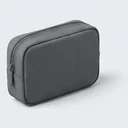
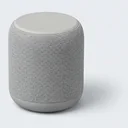
Over-ear headphones$189Zipped accessory pouch$145Fabric-covered speaker$120
68% of budget
Bestsellers18 products
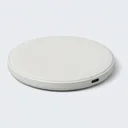
Insulated drinks bottle$42Wireless charging pad$28
22% of budget
New arrivals63 products
Portable power bank$79Insulated drinks bottle$34Fabric-covered speaker$22
10% of budget
ProspectingNew customers
RetargetingViewed or abandoned

Advantage+ with guardrails

illustrative
Strong creative inputs
Existing customer budget cap
Clean conversion data
Switch on and forget

Manual campaigns run alongside for launches, specific audiences and tight budgets.

Advantage+ Shopping Campaigns

Advantage+ shopping campaigns (Meta now calls them Advantage+ sales campaigns) use Meta's machine learning to handle audiences, placements and creative combinations automatically. They often outperform manually built campaigns for established stores, but they aren't something to switch on and forget.

We run them with guardrails: strong creative inputs, limits on how much budget goes to existing customers, and clean conversion data feeding the algorithm. Where you need more control, such as new product launches, specific audiences or tight budgets, we run manual campaigns alongside them. Success is measured on ROAS and contribution margin, not just revenue.

07Retargeting

Retargeting Ads and Audience Building

Most people don't buy or enquire on their first visit. Retargeting ads bring them back, and they're usually the most profitable spend in an account because the audience already knows you.

We build retargeting funnels based on how recently someone engaged and how far they got, so each person sees the message that fits where they are. Someone who added a product to their cart yesterday sees that exact product and a reason to complete the purchase. Someone who browsed your service pages last week sees reviews, proof and the benefits of working with you. Past customers are either shown upsells and repeat offers or excluded from prospecting entirely, so you're not paying to win them twice.

Our retargeting campaigns draw on custom audiences built from website visitors, video viewers, lead form engagers, Instagram and Facebook profile interactions, and your own customer list. Meta retargeting ads also handle exclusions, so people who've already bought aren't shown the same "buy now" message.

For finding new customers, lookalike audiences built from your best buyers are a useful starting signal. These days, though, Meta's algorithm often finds new buyers well with broad targeting when the creative is strong. That's why we treat creative as part of targeting, not a separate job. Done right, retargeting and prospecting work as one system rather than two disconnected campaigns.

Audiences by recency and depth

illustrative
1 dayAdded to cartExact product, reason to finish
7 daysViewed service pagesProof and benefits
30 daysVideo viewers, form engagersOffer and specifics
180 daysPast customersUpsell, or excluded
—Already boughtExcluded from prospecting
08Creative

Creative Strategy and Creative Testing

On Meta today, creative does most of the work targeting used to do. The algorithm decides who sees your ads largely based on who responds to them, so a strong creative strategy is the biggest lever in your account.

How We Test

Our creative testing follows a simple order so every test teaches us something:

  1. 1
    Concept: the core angle or message, such as price, speed, results, or a problem solved
  2. 2
    Hook: the first line or first two seconds that stop the scroll
  3. 3
    Format: how the winning concept is delivered: video ads, image ads, carousel ads or user-generated style content

We test concepts first because a better message beats a better design. Once a concept wins, we iterate hooks and formats to scale it. Where a clean comparison matters, we use Meta's A/B testing tool. Otherwise we test inside live campaigns to keep spend efficient.

Copy That Matches the Funnel

Facebook ad copywriting changes with the audience. Cold audiences need a clear problem and a reason to care. Warm audiences need proof and specifics. Ready-to-buy audiences need an offer and a reason to act now.

Catching creative fatigue early

illustrative

Fresh concepts rotated in here, before performance drops

Catching Creative Fatigue Early

Every ad wears out eventually. We watch for the warning signs of creative fatigue (rising frequency, falling click-through rate and climbing cost per result) and rotate in fresh concepts before performance drops, not after.

09Tracking

Meta Pixel, Conversions API and Conversion Tracking

If Meta can't see your conversions, it can't optimize toward them. Browser-based tracking alone now misses a meaningful share of results because of iOS privacy changes, ad blockers and cookie restrictions. That leads to underreported performance and an algorithm working with incomplete data.

We set up tracking in layers:

Meta Pixel:

browser-side tracking on your website

Conversions API:

server-side tracking that sends conversion data directly from your website or CRM to Meta, unaffected by browser restrictions

Deduplication:

so the same conversion reported by both doesn't count twice

Event tracking:

the actions that matter, such as leads, add-to-carts, purchases, calls and bookings, with values attached where possible

We also work to improve the quality of the customer data each event sends, so Meta matches more conversions to the people who saw your ads. Any facebook advertising agency that skips this step is optimizing blind. Reliable conversion tracking is what makes every decision on this page possible.

Tracking also tells you when the problem isn't the ads. If people click but don't convert, the fix is often on the page itself. That's where our landing page optimization work comes in.

What each layer recovers

illustrative
Browser onlyPixel
32% lost to privacy settings, blockers and cookie limits
Browser and serverPixel + Conversions API
Server-side events are unaffected by the browser
Deduplication stops the same conversion counting twice
Events tracked
LeadAdd to cartPurchaseCallBooking
With values attached where possible
10How we work

Our Meta Ads Management Process

Choosing a Facebook ads agency comes down to how it works week to week. Our Meta ads management follows the same five steps for every client, so you always know what's happening and what comes next.

01Audit and strategy (week 1)

We review your current account, tracking, website and competitors, then agree goals, budgets and the metrics that define success.

02Tracking and build (week 1–2)

We set up or repair Pixel and Conversions API tracking, build audiences, structure campaigns and produce the first round of creative.

03Launch and learn (weeks 2–4)

Campaigns go live with multiple concepts running. Meta's algorithm needs time and data to learn, so we avoid unnecessary changes during this phase while cutting clear losers early.

04Optimize and scale (month 2 onward)

Facebook ads optimization becomes a weekly routine: budget optimization toward winning campaigns, bid management where cost controls make sense, new creative tests and audience refinements. When results hold, we scale spend gradually to protect efficiency.

05Report and plan (monthly)

You get a clear report and a review call covering what happened, what we changed and what we'll do next.

What You'll See in Every Report

We report on the numbers that connect to revenue:

  • ROAS: revenue generated for every dollar spent
  • Cost per acquisition: what each customer or sale costs
  • Conversion rate: how well traffic turns into results
  • Cost per lead and cost per qualified lead for lead generation accounts
  • CPM, click-through rate and frequency as early signals of creative health

Each report includes a plain-English summary. You won't need to decode a dashboard to know whether your money is working.

MetricResultTargetAgainst target
ROAS3.80x3.20xAbove
Cost per acquisition$39.35$48.00Under
Conversion rate3.4%2.8%Above
Cost per qualified lead$96.20$110.00Under
Frequency2.1< 2.5Watching
Illustrative figures. CPM, click-through rate and frequency are reported as early signals of creative health.
11Meta vs Google

Meta Ads vs Google Ads: Which Do You Need?

People asking about Meta ads vs Google Ads usually want to know which one to choose. For most businesses, the better question is what each channel should do.

FactorMeta adsGoogle Ads
How people find youYou reach them while they scrollThey find you while searching
IntentCreates demand: people who don't know they need you yetCaptures demand: people actively looking
TargetingInterests, behavior, customer data, lookalikesKeywords and search intent
CreativeVisual-first: video, images, carouselsMostly text, plus Shopping and display
Typical strengthNew products, visual offers, longer buying cycles, retargetingUrgent needs and high-intent searches

Meta advertising works best when it builds demand that other channels then capture. Someone who sees your brand on Instagram for a month is far more likely to click your result when they finally search on Google. That's also why Meta ads aren't the same as social media marketing. Organic posting builds an audience slowly, while paid social media ads reach the right people now, with measurable results.

Meta is equally useful as a local channel. Facebook ads for local businesses can target specific cities, postcodes and radiuses, which makes them a strong fit for service businesses that want to stay visible between searches.

Because Apex Core is more than a facebook marketing agency, your Meta campaigns don't run in isolation. They work alongside our Google Ads, SEO, AI optimization, CRO and landing pages and website development services. That gives you one meta marketing agency view of how every channel contributes, rather than separate teams claiming the same sale. When your meta marketing is planned alongside search, each channel makes the other cheaper.

12Free audit

Get a Free Meta Ads Audit

Whether you're starting from zero or trying to rescue an account that's stopped performing, the first step is the same: find out what's working, what isn't and what it would take to grow. Unlike a typical facebook advertising agency, we'll tell you plainly if Meta isn't the right channel for you yet.

Our audit reviews:

  • Pixel and Conversions API setup
  • Campaign structure
  • Audiences
  • Creative performance
  • Budget allocation

Talk to the Meta ads agency that measures success the same way you do.

  • Free AI Visibility Check
  • Free Google Ads Audit
  • Free SEO Audit
  • Free Funnel Audit

Get my free teardown

Fill out the form — we’ll review your request and get back to you shortly.

OR Book a call

Protected by reCAPTCHA. The Google Privacy Policy and Terms of Service apply.

13FAQs

Meta Ads FAQs

Anything else, ask us in the audit.

Get a free Meta ads audit
What does a Meta ads agency do?

A Meta ads agency (often called a Facebook ads agency) plans, builds and manages paid campaigns on Facebook and Instagram. That includes strategy, tracking setup, audience building, ad creative, ongoing testing and reporting. The goal is to turn ad spend into measurable outcomes such as leads, sales and return on ad spend, while you focus on running your business.

How much should I spend on Meta ads?

Meta's algorithm learns best when each ad set gets around 50 conversions a week. A useful starting point is your target cost per result multiplied by 50, per week. If that's out of reach, we start by optimizing toward an earlier, higher-volume action, such as landing page views or add-to-carts, and move down the funnel as data builds. We'll recommend a budget during your audit based on your market and goals.

How long does it take to see results from Meta ads?

New campaigns usually spend their first one to two weeks in Meta's learning phase. You'll see early signals within the first month, but most accounts need 60–90 days of testing to find their best audiences and creative and settle into stable, scalable performance.

Should I run Facebook ads, Instagram ads or both?

In most cases, both. They run through the same Meta system, and letting Meta distribute budget across placements usually delivers results at a lower cost. We separate them only when your data shows one platform performing very differently for your audience.

Should I start with Meta ads or Google Ads?

If people already search for what you sell, Google Ads captures that demand quickly. If your product is new, visual or needs explaining, or your search volume is limited, Meta ads create demand you can't get from search. Many businesses get the best results running both. We'll tell you honestly which to prioritize based on your audit.

Do you create the ads?

Yes. We write the copy, produce the creative concepts and design static, carousel and video ads for every placement. If you have existing photos, videos or brand assets, we'll use them. If not, we'll tell you exactly what to capture.

Who owns the ad account?

You do. Your campaigns run in your own business portfolio and ad account. We work as a partner with access you control, so your data, audiences and campaign history always stay with you.

What's included in a Meta ads audit?

Our audit reviews your Pixel and Conversions API setup, campaign structure, audiences, creative performance and budget allocation, then shows you where spend is being wasted and what to fix first. If you've had a facebook ads audit before and still aren't seeing results, we'll also show you what it missed. There's no obligation, and you keep the findings either way.
Get a free Meta ads audit Book a call